
A New Era in Genetic Possibilities
When CRISPR‑Cas9 first entered the scientific landscape, it didn’t just add another tool to the genetic engineering toolbox—it redefined what was possible. Built from a naturally occurring bacterial immune system, CRISPR‑Cas9 introduced a level of precision, efficiency, and accessibility that earlier technologies like zinc‑finger nucleases and TALENs struggled to match. Its simplicity—an enzyme paired with a programmable RNA guide—opened the door to genome editing in virtually any organism, transforming research, biotechnology, and medicine.
How a Bacterial Defense Became a Scientific Revolution
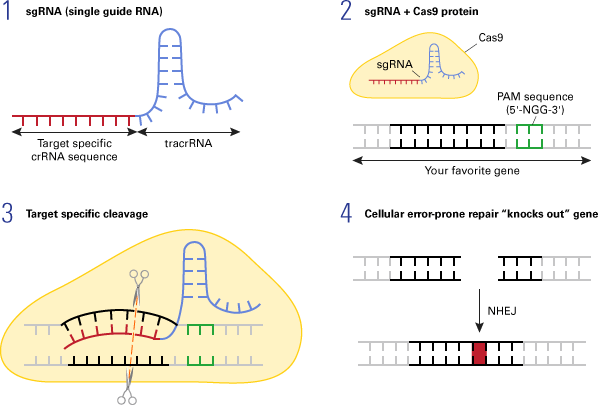
At its core, CRISPR‑Cas9 is a molecular machine designed for accuracy. The Cas9 enzyme acts as molecular scissors, while the guide RNA directs those scissors to a specific DNA sequence. Once Cas9 arrives at its target, it creates a double‑stranded break. The cell then attempts to repair this break through either non‑homologous end joining—an error‑prone process that introduces insertions or deletions—or homology‑directed repair, which allows precise insertion or correction of genetic material. This elegant mechanism, originally evolved to protect bacteria from viral invaders, has become one of the most powerful tools in modern biology.
From Gene Knockouts to Tailored Genomes
The true strength of CRISPR‑Cas9 lies in its versatility. By designing a single guide RNA, researchers can disrupt a gene, insert new sequences, or correct harmful mutations. This flexibility has accelerated discoveries in functional genomics, enabling scientists to rapidly test gene function by creating targeted knockouts. In agriculture, CRISPR is shaping crops that are more resilient, nutritious, and sustainable. In medicine, it is paving the way for therapies that could one day cure genetic diseases at their source. The technology’s efficiency and programmability have made genome editing not only more powerful but also more accessible to laboratories worldwide.
What the Featured Image Reveals
The featured image from Takara Bio visually reinforces the simplicity and precision of the CRISPR‑Cas9 system. It highlights the modular nature of the guide RNA—composed of a crRNA sequence that targets the DNA and a tracrRNA sequence that binds Cas9. The image also illustrates the moment of DNA cleavage and the subsequent repair pathways that determine whether a gene is disrupted or precisely modified. This visual narrative underscores why CRISPR‑Cas9 is considered revolutionary: it distills a complex biological process into a programmable, predictable workflow that scientists can harness with remarkable control.
Image source: Takara Bio
A Technology Still in Motion
Although CRISPR‑Cas9 has already reshaped the scientific world, its evolution is far from complete. New variants of Cas enzymes, refined delivery systems, and improved editing strategies continue to expand its capabilities. Ethical considerations and regulatory frameworks are evolving alongside the technology, ensuring that its immense potential is matched with responsible use. What remains clear is that CRISPR‑Cas9 has permanently altered the trajectory of genetic science, offering a future where precision editing is not the exception but the norm.
